Verticals
The discipline is divided into core academic and functional verticals aimed at improving performance and preventing injury
Membership
Membership requires a strategic blend of exclusive content, community interaction, and streamlined administrative tools
Resources
Various resources, high-quality specialized platforms, and professional associations featuring job listings in the events sector.
Industry
The sports economy is projected to grow globally; within this, sports technology and sports tourism are witnessing rapid growth.
Donate to ISBK Today / Support Our Mission Now
We believe that understanding human movement is the key to unlocking true potential. From optimizing athletic performance to transforming rehabilitation and preventing injuries, our work bridges science, technology, and real-world care.
DonateAbout Us
Welcome to ISBK
The Indian Society of Biomechanics and Kinesiology (ISBK) is a professional and academic platform dedicated to advancing biomechanics and human movement science in India. The society brings together researchers, academicians, students, and professionals from diverse disciplines, including sports science, physical education, engineering, physiotherapy, and rehabilitation.
Our Vision & Mission
- Vision: To be India’s leading platform for interdisciplinary innovation and education in biomechanics and kinesiology, empowering communities through science-backed movement solutions and inclusive outreach.
- Mission: To promote, the study, research, and startup business development related to movement science and technology in India. ISBK fosters collaboration among professionals and institutions to advance biomechanics and kinesiology for public health, physical fitness, and rehabilitation.
Advisors
Executive
Verticals
Resources
Advisors



Executive

Dr. Rajinikumar Palaniyappan
Founder President

Dr. C. Manoj
Treasurer

Dr. Viswanath Sundar
Secretary

Mr. Vijay Dhamodharan
Executive Council Member

Mr. Rohith Kumar K
Executive Council Member

Ms. Shanmuga Priyanka
Executive Council Member

Mr. Jackson Aruldoss
Executive Council Member

Mr. Tamil Selvan P
Executive Council Member

Ms. Hema D
Executive Council Member
Verticals
Biomechanics
Biomechanics is the science that applies the laws of mechanics and physics to study the structure, function, and motion of biological systems
Core Principles
- Kinematics : The branch that describes motion—including position, velocity, and acceleration—without looking at the forces causing it.
- Kinetics : The study of the forces (such as gravity, friction, and muscle contractions) that produce, stop, or change motion.
- Statics and Dynamics : Statics analyzes bodies in constant motion or equilibrium, while dynamics studies systems undergoing acceleration from unbalanced forces.
Major Applications
- Sports Performance : Optimizes athletic techniques, refines training, and improves sports gear for higher efficiency.
- Injury Prevention & Rehabilitation : Identifies movement imbalances and high-stress loading to design recovery plans and lower injury risks.
- Medical & Assistive Devices : Guides the design of joint replacements, prosthetics, orthotics, and exoskeletons to mimic natural movement.
- Ergonomics : Improves workplace and furniture design to reduce physical strain on the human body.
Clinical Biomechanics
Clinical biomechanics is the study of mechanical and physical forces applied to human movement, structure, and tissues to diagnose, treat, and prevent medical and musculoskeletal disorders.
Core Focus and Pillars
- Movement Analysis : Studies how people walk, run, and perform daily tasks to spot abnormal patterns.
- Tissue Loading : Measures physical stress on bones, joints, ligaments, and muscles.
- Nervous System Control : Looks at how the brain and nerves coordinate physical movement and balance.
- Physics in Medicine : Uses laws of physics and mathematics to interpret internal forces during rehabilitation.
Computational Biomechanics
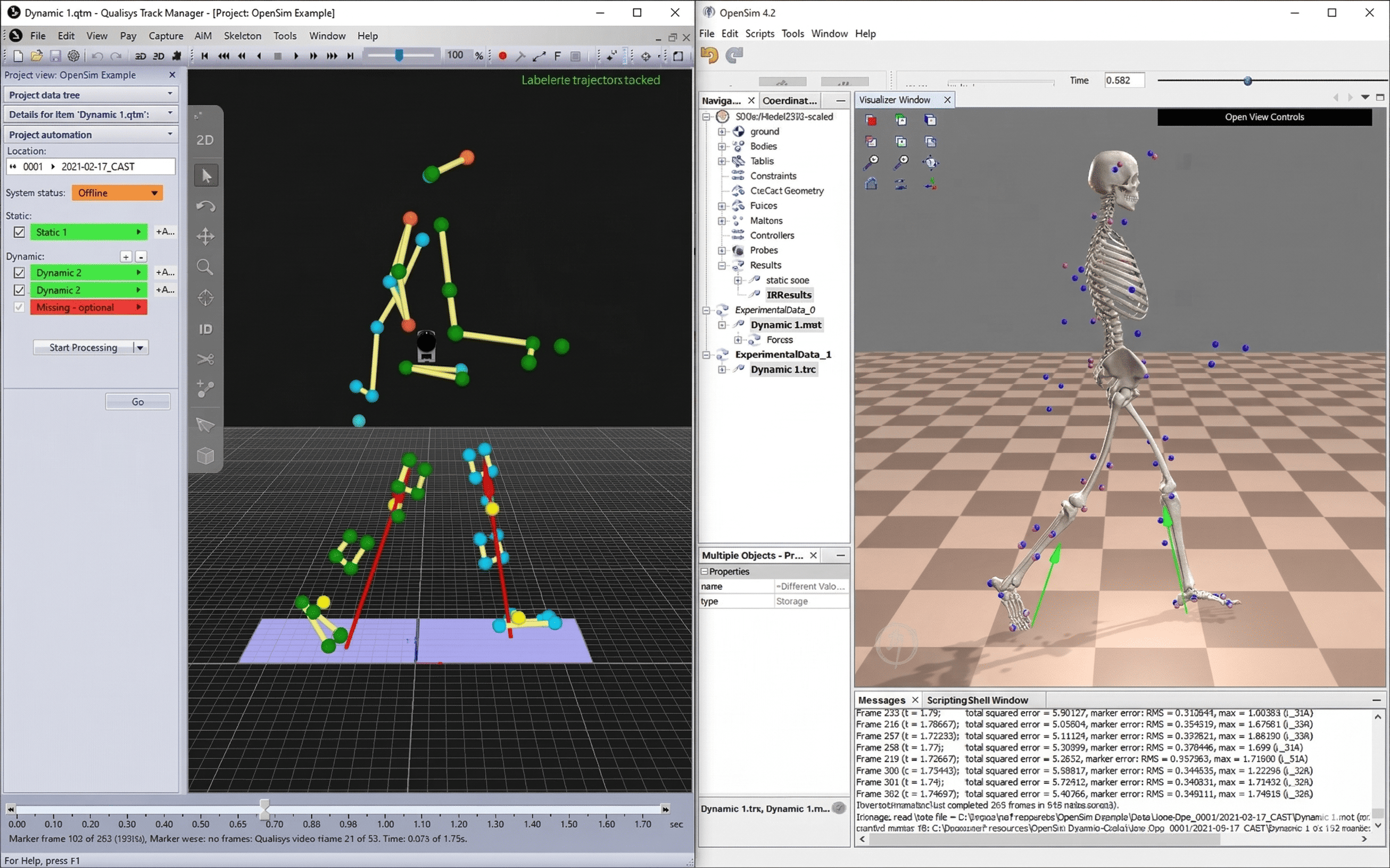
Computational Biomechanics is an interdisciplinary field that uses computer simulations and engineering mechanics to study the physical behavior of biological tissues and systems.
Core Methods
- Finite Element Analysis (FEA) : Breaks down complex biological shapes into smaller, manageable pieces (a mesh) to calculate stress, strain, and movement.
- Multibody Dynamics : Analyzes how different bones and joints interact and move together as a mechanical system.
- Computational Fluid Dynamics (CFD) : Simulates how fluids like blood flow through arteries and heart valves.
- Imaging Integration : Converts medical scans like CT and MRI into detailed, patient-specific 3D digital models.
Footwear Biomechanics
Footwear biomechanics studies how shoes change the way forces interact with your feet, joints, and muscles during movement.
Core Concepts
- Interface Role : Shoes act as the main link between your body and the ground, shaping how your foot strikes and distributes impact pressure.
- Kinematics and Kinetics : Footwear alters joint angles, movement paths, and muscle activation during activities like walking, running, and lifting.
- Movement Modification : Rather than just acting as passive protective gear, modern research views shoes as active devices that guide your natural movement path.
Kinesiology
Kinesiology is the scientific study of human movement, combining anatomy, physiology, biomechanics, and psychology to improve health, prevent injury, and enhance physical performance.
Core Subdisciplines
- Exercise Physiology : Examines how the cardiovascular, respiratory, and muscular systems respond and adapt to physical activity.
- Biomechanics : Analyzes the physical forces and mechanical aspects of human motion, including kinematics and kinetics.
- Motor Control and Learning : Studies how the nervous system coordinates muscles and how movement skills are acquired.
- Sports Psychology : Investigates the mental, emotional, and motivational factors influencing athletic performance and well-being.
Performance Analysis
Kinesiology is the scientific study of human movement, combining anatomy, physiology, biomechanics, and psychology to improve health, prevent injury, and enhance physical performance.
Core Subdisciplines
- Exercise Physiology : Examines how the cardiovascular, respiratory, and muscular systems respond and adapt to physical activity.
- Biomechanics : Analyzes the physical forces and mechanical aspects of human motion, including kinematics and kinetics.
- Motor Control and Learning : Studies how the nervous system coordinates muscles and how movement skills are acquired.
- Sports Psychology : Investigates the mental, emotional, and motivational factors influencing athletic performance and well-being.
Physical Education / Sports Science
Physical Education and Sports Science combine practical movement, pedagogy, and empirical research to optimize human health, wellness, and athletic performance.
Core Differences
- Physical Education (PE) : Focuses on pedagogy, teaching fundamental motor skills, team building, and promoting lifelong physical activity in schools.
- Sports Science : Uses scientific research, data analysis, physiology, and biomechanics to measure limits and improve elite athletic performance.
Sports Biomechanics
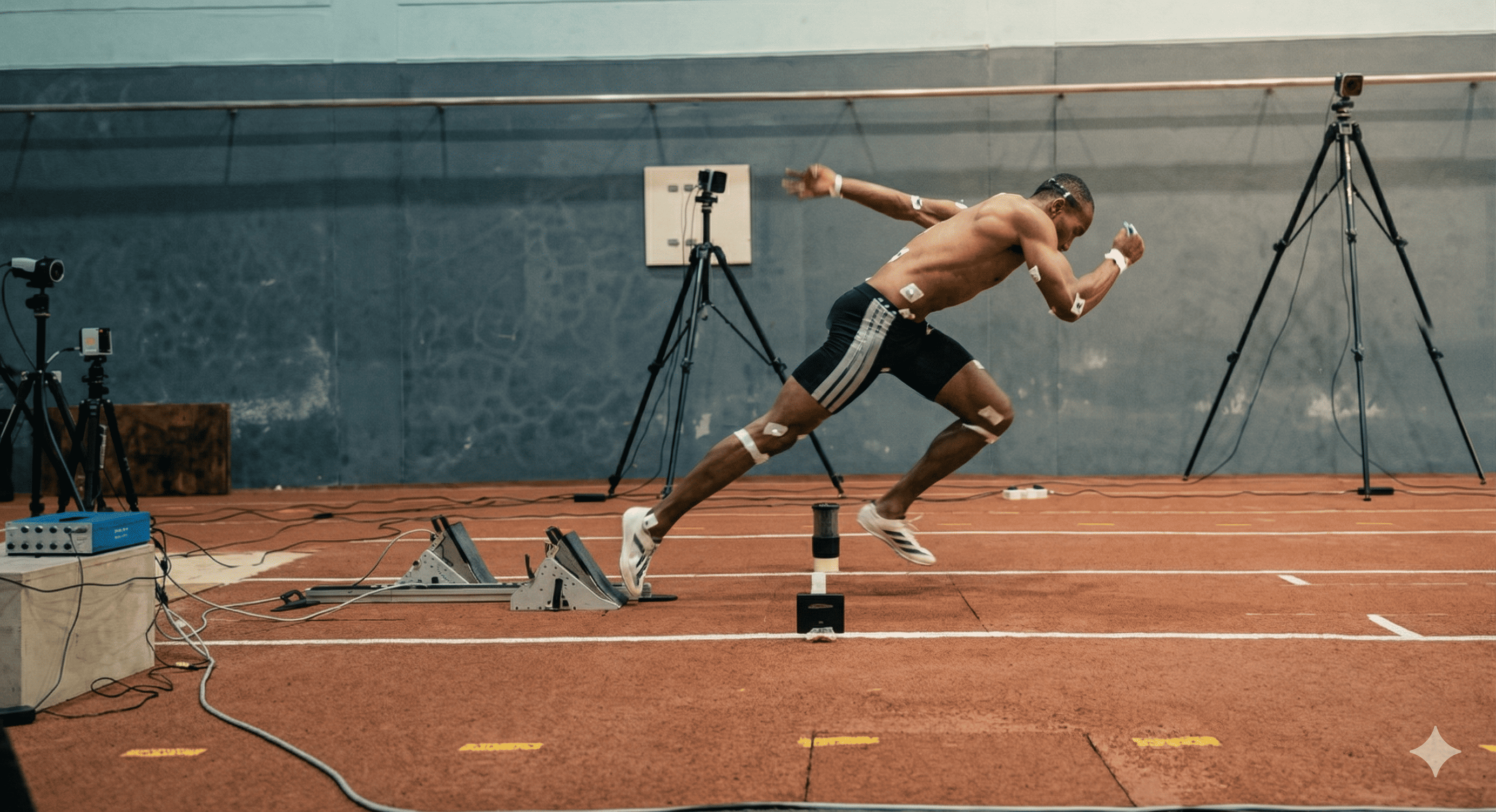
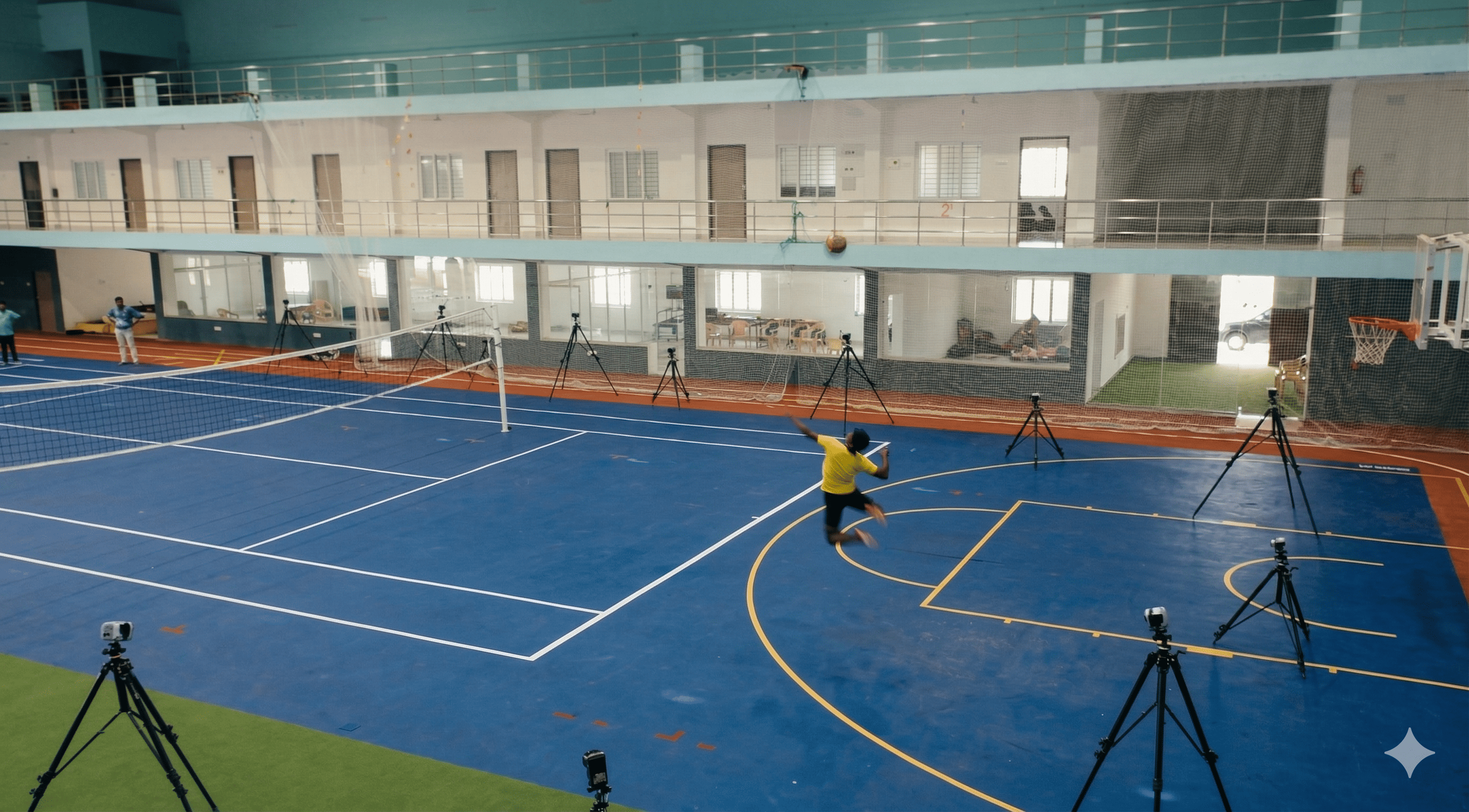
Sports biomechanics is the quantitative, physics-based study of human movement and the internal and external forces acting on an athlete during physical activity.
By treating the body as a mechanical system of levers, joints, and forces, this discipline helps athletes maximize performance while lowering their risk of injury.
Core Concepts
- Kinematics : Describes the spatial and temporal components of movement—such as displacement, velocity, and acceleration—without analyzing the forces causing them.
- Kinetics : Examines the underlying forces that produce, modify, or resist motion, including gravity, friction, ground reaction forces, and muscle tension.
- Mechanical Principles : Utilizes concepts like torque, balance, center of gravity, and linear/angular momentum to break down complex motor tasks.
Membership
Join the Indian Society of Biomechanics and Kinesiology (ISBK) and be part of a growing scientific community dedicated to advancing research, innovation, and knowledge in human movement science.
| Membership Category | Fee (Per Year) |
|---|---|
| Student | ₹ 500 |
| Scholar | ₹ 1000 |
| Regular | ₹ 2000 |
| Industry | ₹ 5000 |
Resources
Events
Your ultimate hub for upcoming workshop, conference, events, local tournaments, fan experiences, and global sports conferences
Job Listing
Connecting passionate professionals with top sports franchises, digital media outlets, and athletic organizations worldwide.
Ledo Markt
Access a curated library of tools, software, blueprints, and analytical resources to elevate your sports career, team, or coverage.
Frequently Asked Questions
Why Join ISBK ?
Become part of a growing biomechanics and kinesiology community in India. Connect with researchers, academicians, and industry professionals across disciplines. Stay updated with the latest advancements in biomechanics, Kinesiology and sports science. Access exclusive member resources, learning materials, and research support
Contact
Address
Centre of Excellence in Biomechanics cum High-Performance Centre (CEB-HPC),
Department of Sports Biomechanics and Kinesiology,
Tamil Nadu Physical Education and Sports University.
Chennai, Tamilnadu, india
Call Us
+91 ***** *****
Email Us
isbk.support@gmail.com